I Did Not Learn This From Theory
There is a certain kind of person who believes you need permission to tell the truth.
A title.
A credential.
A polished bio.
The right institutions behind your name so other people can relax and assume your thoughts were pre-approved by the proper priesthood.
That is how broken systems protect themselves. They train people to trust distance over contact, status over consequence, and polish over reality. They teach the public to listen hardest to the people farthest from the damage. Then they act surprised when the official story sounds clean and the lived story sounds nothing like it.
I did not learn these topics from theory.
I learned them from pressure.
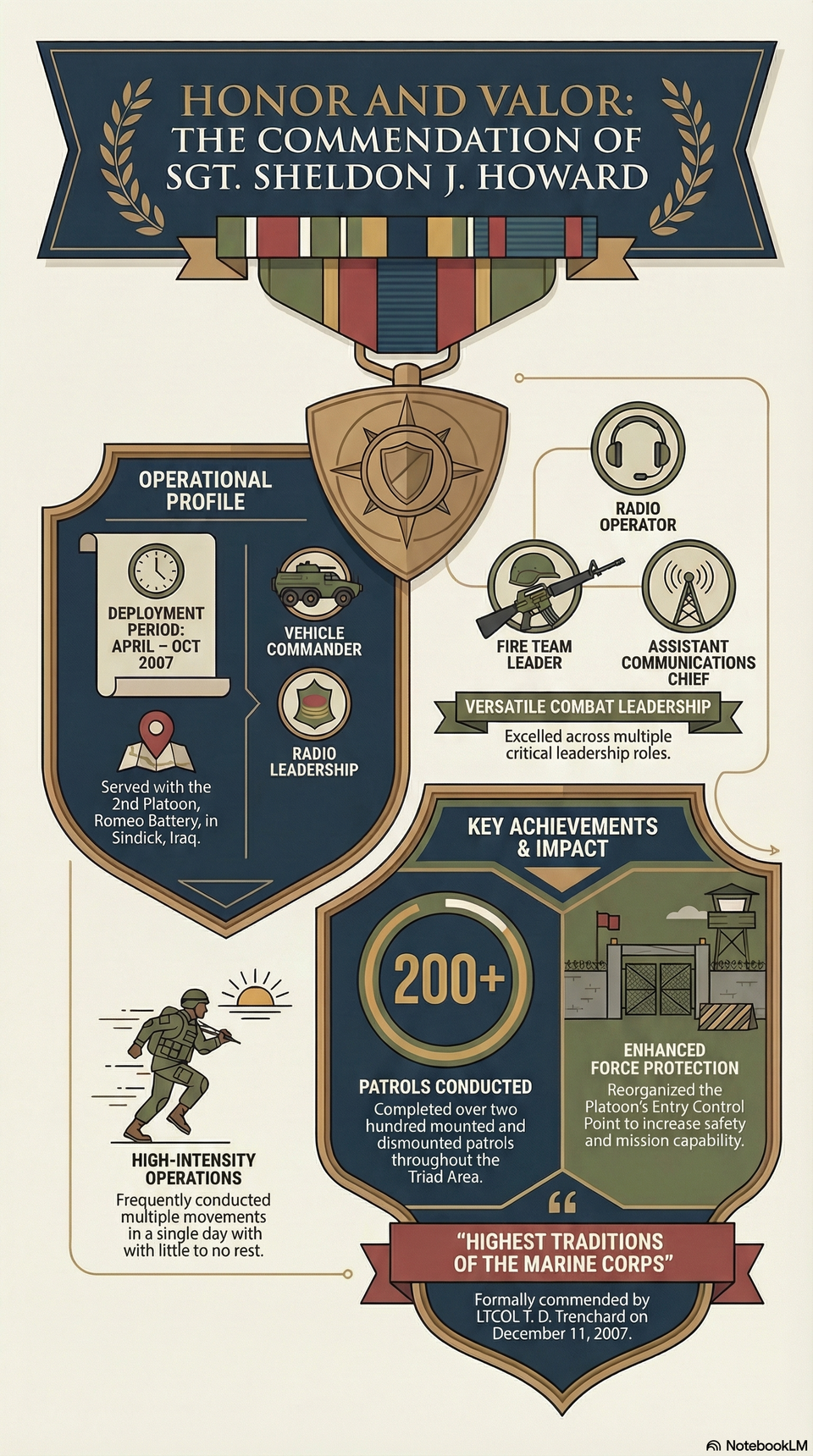
I learned them from military service, from hierarchy, from consequence, from watching what happens when leadership is squeezed from above and the cost is pushed downward. I learned them from operating inside structures where the formal version of events and the real version of events were not always the same. I learned them from seeing how institutions protect image, process, and internal momentum long after truth should have forced a stop.
That is why I write about leadership pressure, institutional wrongs, system failure, and the distance between what organizations say and what they actually do.
Not because it is fashionable.
Because it is real.
Who am I to speak on this?
I am someone who has lived close enough to consequence to recognize the pattern.
I am someone who knows the difference between policy and practice, between command language and operational reality, between the story an institution tells about itself and the story carried by the people who had to live under its decisions.
I am someone who has watched pressure distort judgment.
I am someone who has seen how incentives bend leaders, how silence gets manufactured, how the visible mistake gets punished while the invisible mechanism that produced it stays protected.
I am someone who understands that institutions rarely fail because no one saw the warning signs. They fail because too many people saw them, adapted to them, normalized them, and learned to survive inside them without naming what was happening.
That is my authority.
Not ceremonial authority.
Not borrowed authority.
Not authority rented from prestige.
Earned authority.
The kind that comes from proximity.
The kind that comes from paying attention.
The kind that comes from being close enough to feel the pressure instead of studying it from the far side of a conference table.
Some people only respect insight after it has been laundered through a think tank, wrapped in neutral language, and signed by someone with a safer résumé. That is their problem. Reality does not become real only after an approved person says it out loud.
Sometimes the clearest voice belongs to the person who had to survive the structure.
I write about systems because systems shape human outcomes
I am not interested in performative outrage. There is already enough of that. Every platform is full of people pretending volume is depth and emotion is analysis. That is not what I am doing here.
I care about mechanism.
I care about how leadership pressure changes judgment. I care about how institutions drift away from their stated purpose. I care about how process becomes theater, how accountability gets redirected downward, how damaged systems produce predictable harm and then dress the result up as an exception.
That is not bitterness. That is pattern recognition.
Weak thinkers call every serious critique a grievance because it saves them from answering the argument. They hear structural analysis and translate it into emotion because emotion is easier to dismiss. It lets them stay morally lazy while feeling intellectually superior. A neat trick. Very popular.
But not every hard truth is resentment.
Not every witness is unstable.
Not every critic is “angry.”
Sometimes a person is just describing the machine accurately.
That is what I am doing.
I am describing the machine.
The pressure.
The incentives.
The silence.
The distortions.
The way human beings are forced to carry consequences created by structures that are designed, above all else, to preserve themselves.
The official version is not the whole version
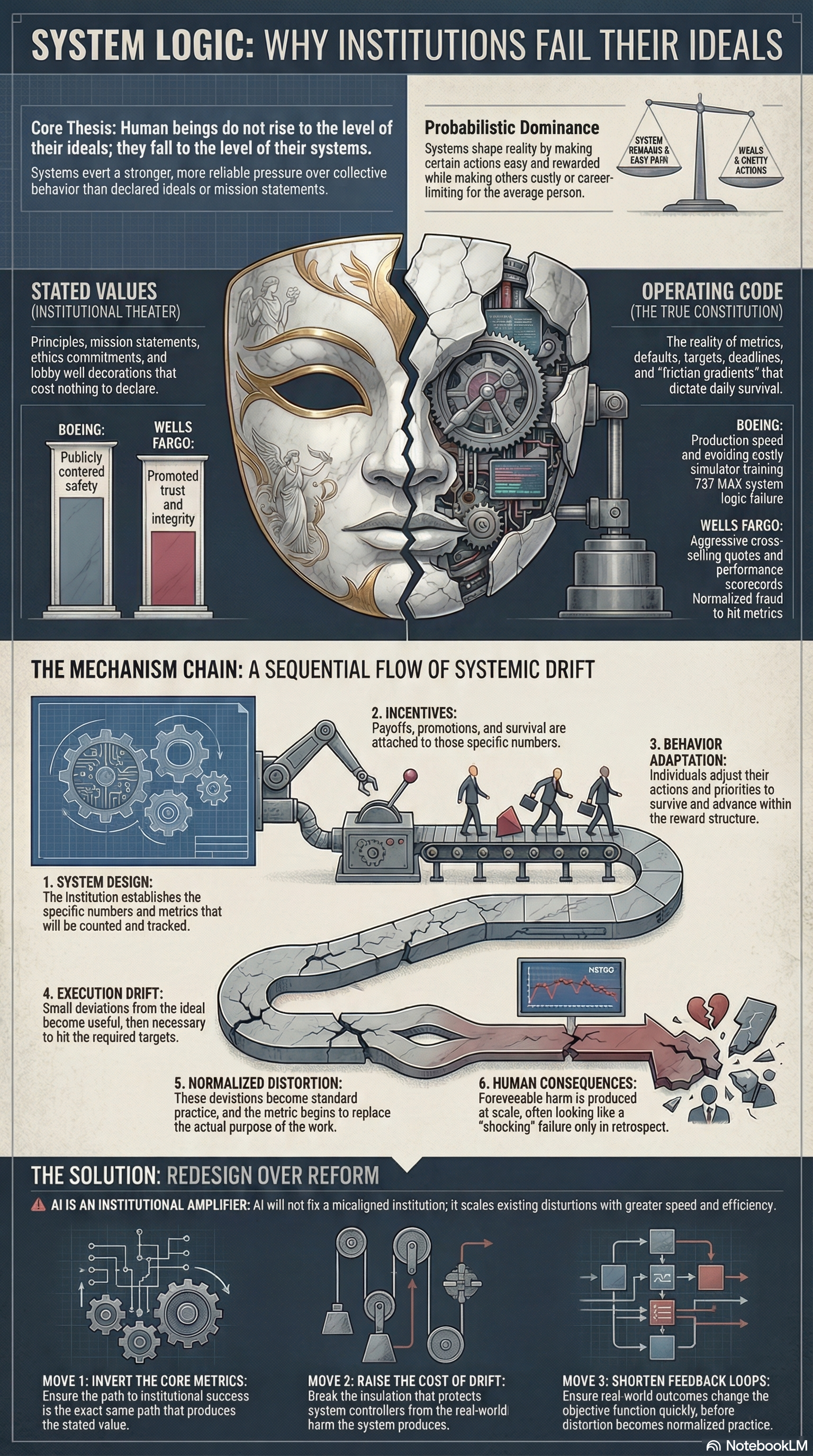
Every institution produces two realities.
There is the stated version.
Then there is the lived version.
The stated version is clean. It is procedural. It is coherent. It lives in mission statements, legal language, talking points, after-action summaries, press releases, leadership speeches, and all the other polished documents human beings create when they want the appearance of order.
The lived version is different.
The lived version is where pressure accumulates. It is where people improvise around broken processes while pretending the process still works. It is where career risk starts shaping judgment. It is where bad incentives become culture. It is where the need to preserve authority overtakes the duty to deserve it.
That gap matters.
Because the human cost almost always lives in the gap.
That is where trust erodes.
That is where truth gets softened.
That is where warning signs get reclassified as inconveniences.
That is where leaders begin protecting the institution from embarrassment instead of protecting people from harm.
I know that gap because I have lived close enough to it to stop romanticizing institutions.
That is why I do not automatically trust official confidence.
That is why I do not confuse procedure with justice.
That is why I do not assume a clean narrative means a clean reality.
Systems can be organized and still be wrong.
Processes can be legal and still be corrosive.
Leaders can be composed and still be failing.
An institution can call something resolved while the damage continues for years.
A lot of people know this privately.
I am willing to say it publicly.
Leadership pressure is not an excuse. It is part of the mechanism.
One of the dumbest habits in public conversation is pretending leaders make decisions in some pristine moral vacuum.
They do not.
Leadership operates under pressure from above, pressure from culture, pressure from politics, pressure from metrics, pressure from reputation, pressure from career incentives, pressure from institutional fear. That pressure does not excuse bad judgment, but it does explain how bad judgment becomes normalized.
That distinction matters.
Because if you do not understand the pressure, you will never understand the failure.
Sometimes leaders are rewarded for speed over truth.
Sometimes for aggression over restraint.
Sometimes for appearance over correction.
Sometimes for loyalty to the institution over fairness to the individual.
Sometimes for protecting the chain instead of protecting the person.
Once that happens, the damage does not stay at the top. It moves downward through ranks, departments, agencies, teams, and families. The people closest to the consequence are usually the least empowered to stop it. They are expected to absorb the weight, keep functioning, and stay quiet enough to make the aftermath administratively manageable.
This is not abstract to me.
I have seen enough to know that institutional wrongs rarely begin with cartoon villains. They begin with pressure, incentives, rationalization, silence, and the quiet belief that the system’s needs matter more than the human being caught inside it.
That is how normal people participate in damaging outcomes while still telling themselves they are being responsible.
That is why I write about this.
Because until you understand the mechanism, you will keep mistaking preventable harm for unfortunate fate.
To the doubters
You do not have to like the fact that I speak on these subjects.
You do not have to be comfortable with how direct I am. You do not have to approve of the fact that I write about leadership failure, institutional pressure, misconduct, injustice, system design, and the human cost of organizational self-protection.
But discomfort is not a rebuttal.
A lot of doubt is just status anxiety dressed up as skepticism.
Who is he to say this?
Why is he talking like that?
Where are his credentials?
Why is he not more deferential?
Why is he not speaking in softer language?
Why is he not asking permission first?
Because some truths should not arrive padded.
Because politeness is often demanded most aggressively when truth gets too close to power.
Because there is a difference between recklessness and clarity, and a lot of people deliberately pretend not to know the difference.
Because lived experience, disciplined observation, and serious thought are more than enough to begin speaking, especially when the alternative is silence maintained for the comfort of people who benefit from it.
I am not here to perform credibility for people who confuse submission with seriousness.
I am here to name patterns, expose mechanisms, and put language to realities many people have felt but could not always articulate.
That work matters whether or not it flatters the right audience.
To the haters
Most hate is not intellectual.
It is territorial.
Some people get deeply irritated when someone outside the approved hierarchy begins making too much sense in public. They do not mind pain. They mind unauthorized clarity. They do not mind institutional failure. They mind that someone without their preferred pedigree is describing it in plain language people can actually understand.
That is fine.
I am not building a public voice around fake perfection. I am not pretending I emerged from pressure untouched. I am not selling purity, and I am not interested in polishing myself into a harmless commentator whose main talent is sounding respectable while saying nothing that costs anyone anything.
I am writing from contact.
From consequence.
From observation.
From structure.
From lived proximity to the gap between what institutions claim and what they do.
That gives me more to say than a lot of polished people with cleaner biographies and shallower contact ever will.
Reality outranks performance. Every time.
If that bothers people who need truth to arrive with elite branding before they can hear it, they can stay bothered. Human beings have an incredible capacity to worship packaging and ignore mechanism. It is one of the species’ least charming traits.
What I actually stand for
I stand for naming the mechanism instead of hiding behind the slogan.
I stand for examining what systems do under pressure, not what they promise under ideal conditions.
I stand for leadership that accepts real responsibility, not ceremonial responsibility that disappears the moment consequences arrive.
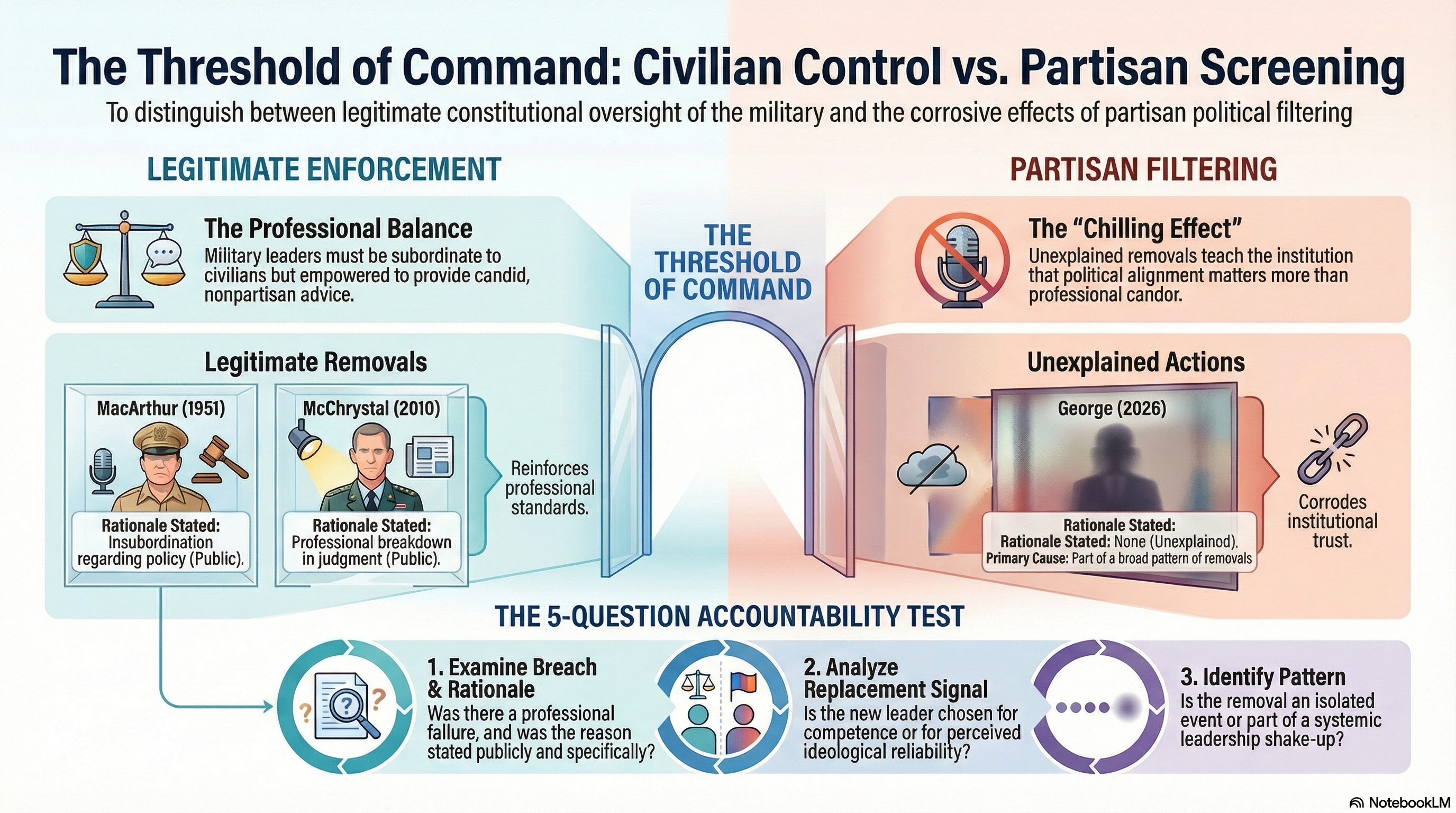
I stand for accountability that reaches upward, not just downward.
I stand for clarity over performance, structure over spin, truth over comfort.
I care about the human being inside the system. I care about what happens when institutions become better at protecting themselves than correcting themselves. I care about what pressure does to leaders, what silence does to teams, what incentives do to justice, and what happens when official narratives become more important than reality.
I write because too many people have been conditioned to think that if a process exists, fairness exists. If the paperwork looks complete, the harm must be over. If the institution sounds composed, the institution must be right.
None of that is true.
A process can be intact and still produce injustice.
A chain of command can be functional and still be morally deformed.
A system can look stable while grinding people down behind the curtain.
That is not cynicism. That is observation.
Who I am
I am not a spectator.
I am not a safe-distance commentator borrowing pain to manufacture an identity.
I am someone who has lived inside enough pressure to recognize the structure when I see it.
I am someone who studies systems because I know what happens when people do not.
I am someone who believes institutions should be judged by what they do to human beings under strain, not by how well they describe themselves afterward.
I am someone who refuses to treat leadership pressure and institutional wrongs as elite topics reserved for people with protected careers and decorative language. These are not abstract issues. They shape lives. They shape outcomes. They shape what gets buried, what gets justified, and what gets called normal when it never should have been.
So who am I to speak on this?
I am the kind of person institutions would prefer to stay quiet.
The kind who has seen enough to recognize the pattern.
The kind who is not impressed by polished explanations that arrive after the damage.
The kind who understands that silence protects the wrong things.
The kind who would rather be precise than approved.
I do not need everyone’s permission to tell the truth.
I need enough honesty to say what I know, enough discipline to name the mechanism, and enough backbone to keep speaking when weaker people confuse discomfort with refutation.
That is who I am.
And that is exactly why I write.

Member discussion