
The Architecture of American War
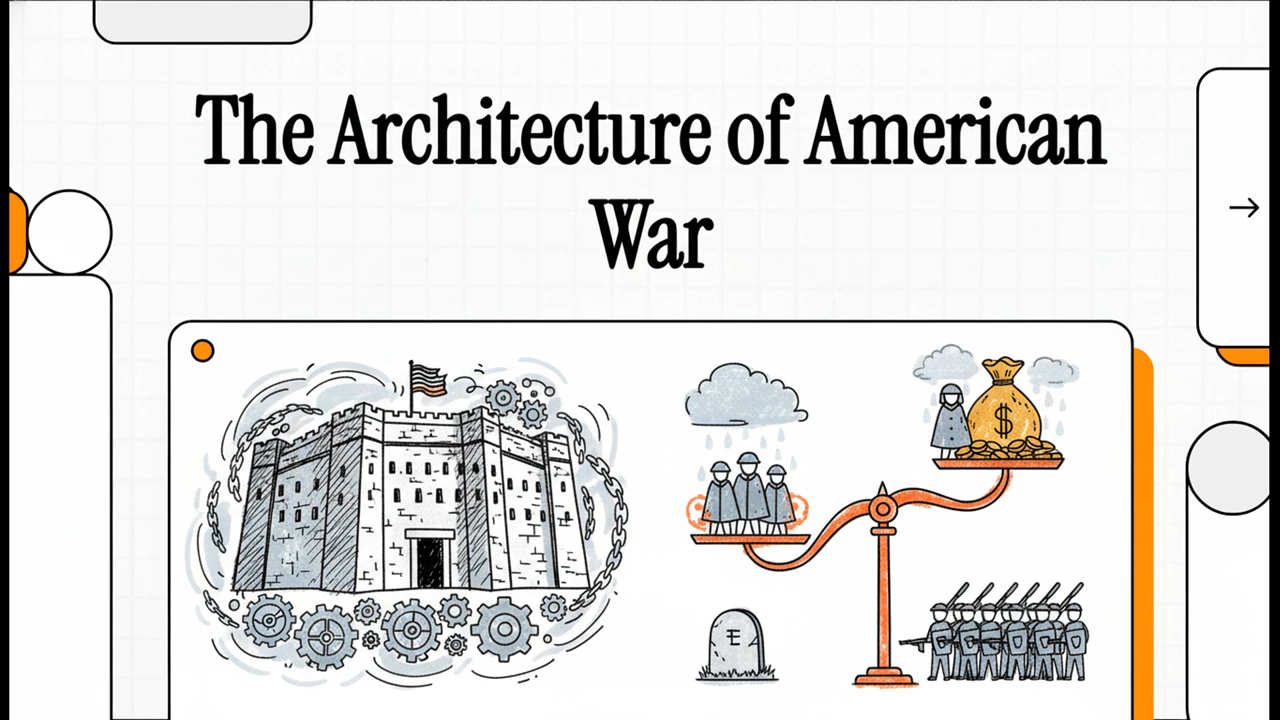
The architecture of American war is not just military. It is legal, political, financial, and narrative. That is the first thing people miss.
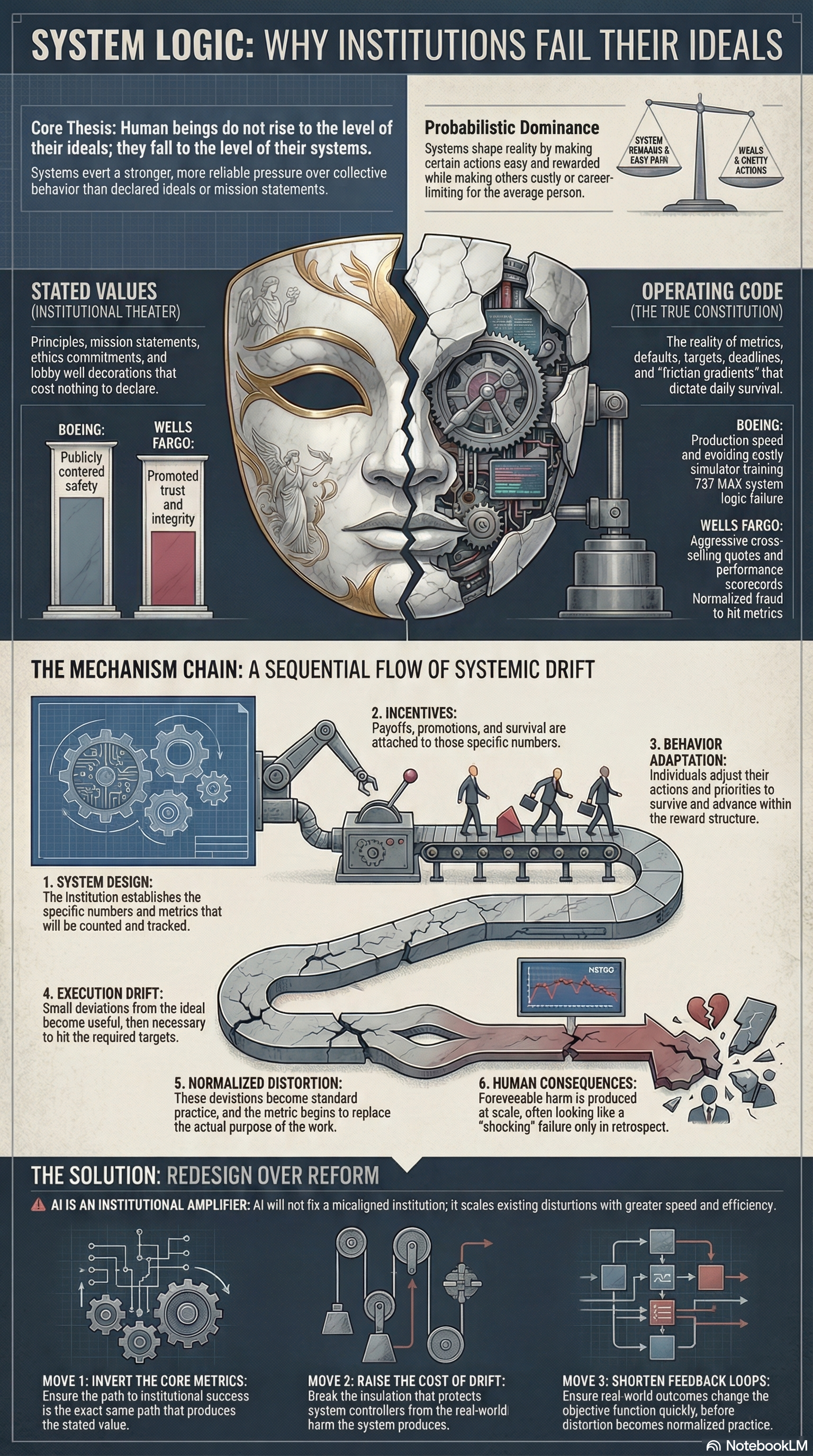
Most public debate about war still revolves around leaders, parties, crises, and justifications. Was the threat real? Was the strike necessary? Was the president strong or reckless? But those questions, while important, sit too close to the surface. They treat war as an event. The deeper reality is that war in the United States operates through a durable structure that keeps repeating the same outcome across different administrations, different conflicts, and different public moods.
That is what makes it architecture.
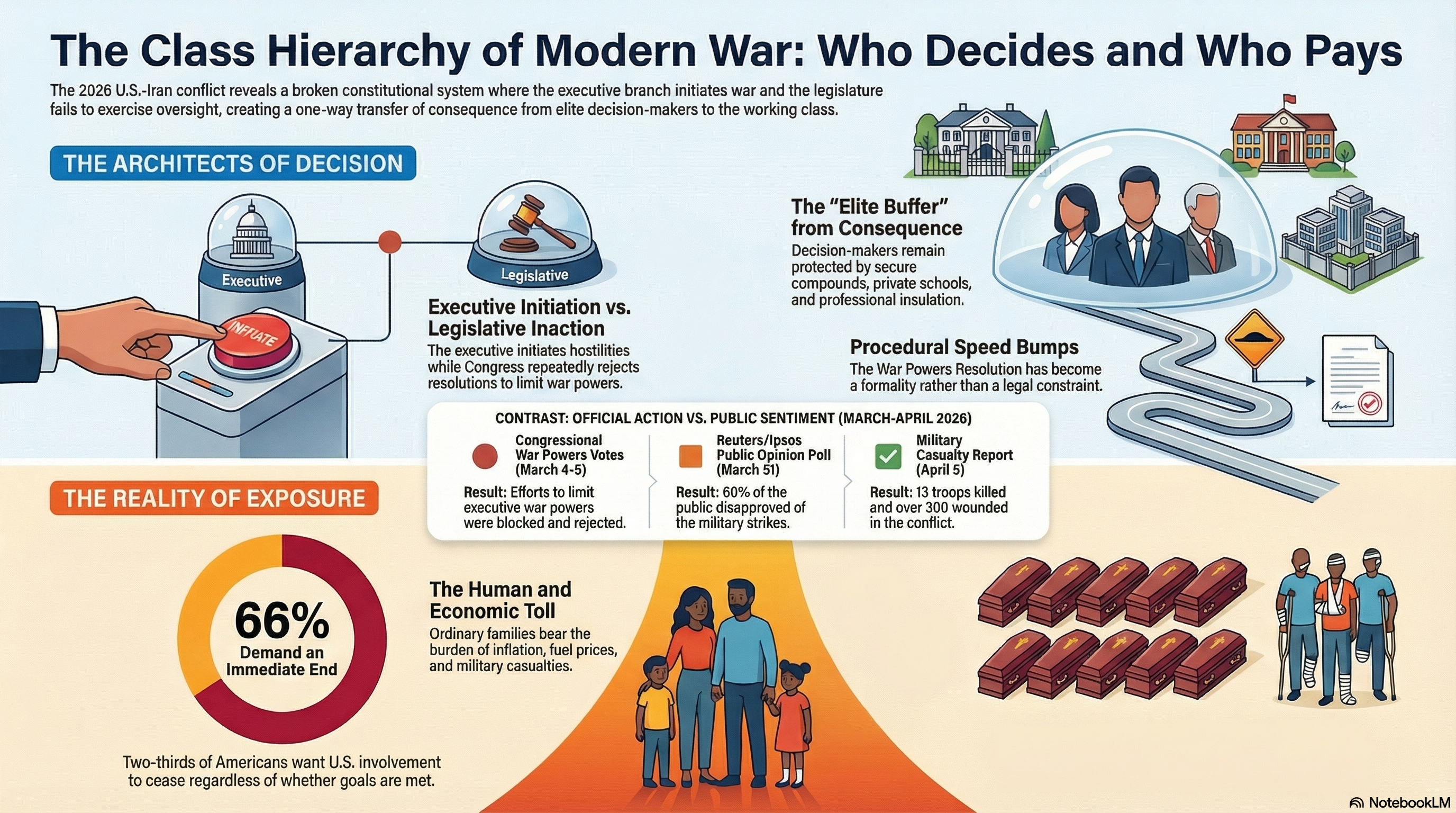
At the center of that architecture sits a contradiction. America presents itself as a constitutional republic in which the decision to go to war is supposed to be constrained. The War Powers Resolution was meant to limit the president’s ability to initiate sustained military action without congressional consent. In theory, it exists to keep war from becoming the unilateral instrument of the executive branch.
In practice, it has become something else: a procedural speed bump in front of a moving vehicle.
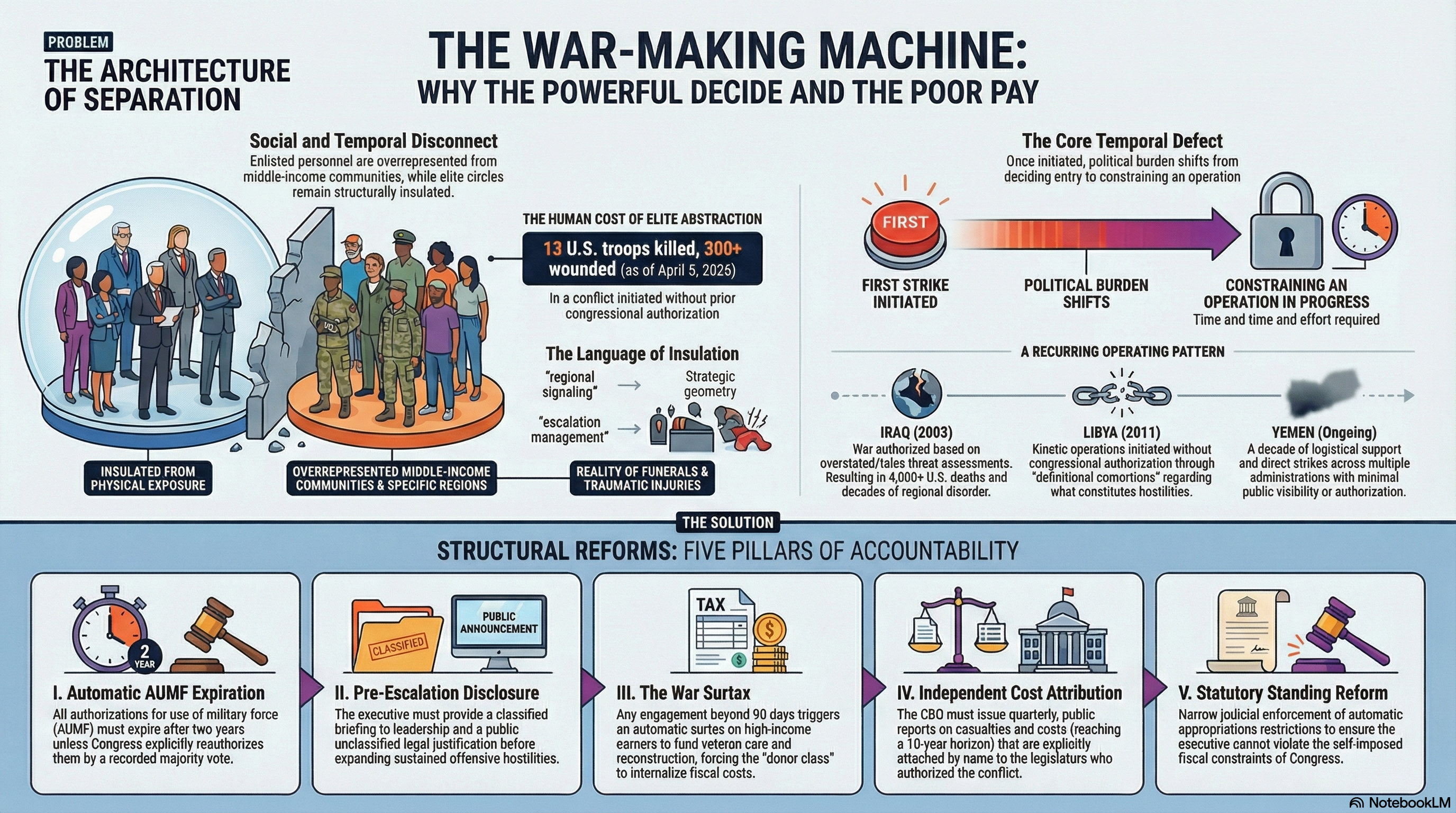
The modern pattern is familiar because the system is familiar. Iraq in 2003. Libya in 2011. Yemen over years with low public visibility and minimal sustained democratic friction. The names, legal theories, and messaging frames change. The institutional outcome remains disturbingly stable. Force is initiated or supported. Congress reacts rather than governs. public understanding arrives late or in fragments. Accountability dissolves across time, bureaucracy, and partisan convenience.
When the same failure repeats across different presidents, the explanation is not personality alone. It is structure.
The system works because it separates decision from consequence.
Those who can initiate force are structurally insulated from those who absorb its human consequences. That is the core design feature. The people in secured rooms, behind briefings, seals, classifications, and managed language are usually not the people whose bodies will carry the blast, the trauma, the absence, or the debt. The families writing letters, waiting for calls, visiting hospitals, or living with the long afterlife of war are downstream from the decision, not inside it.
So are civilians in the strike zone.
So are taxpayers.
So are future veterans.
So are the next administrations that inherit disorder dressed up as strategic necessity.
This insulation matters because it changes the political cost of war. A system becomes dangerous when the people empowered to act are buffered from the consequences of action. Once that buffer exists, the threshold for force quietly drops. War no longer has to be sold as a fully shared national burden. It only has to be narrated convincingly enough, long enough, for the machinery to move.
That brings us to the second layer of the architecture: language.
War in modern democracies is rarely introduced in plain terms. It is framed through abstractions that make violence sound managerial. Credibility. Stability. Deterrence. Interests. Necessity. Security. These terms are not always false, but they often perform concealment. They convert flesh into doctrine. They make destruction legible inside elite institutions while keeping its real human content at a distance.
A child without a parent does not appear in the phrase “regional stability.”
A shattered nervous system does not appear in the phrase “limited operation.”
A civilian buried under rubble does not appear in the phrase “strategic response.”
Language is part of the architecture because it reduces friction. It allows the state to translate violence into policy process.
The third layer is temporal.
War is often easier to begin because the full cost is delayed. The decision happens now. The bill arrives later. Medical care, disability, interest payments, reconstruction failures, family collapse, veteran abandonment, and geopolitical blowback all unfold over time. That delay matters. Immediate pain produces political resistance. Deferred pain produces institutional amnesia.
A system that can launch force immediately and distribute its cost over years is a system engineered for repeat use.
The fourth layer is political cowardice disguised as procedure.
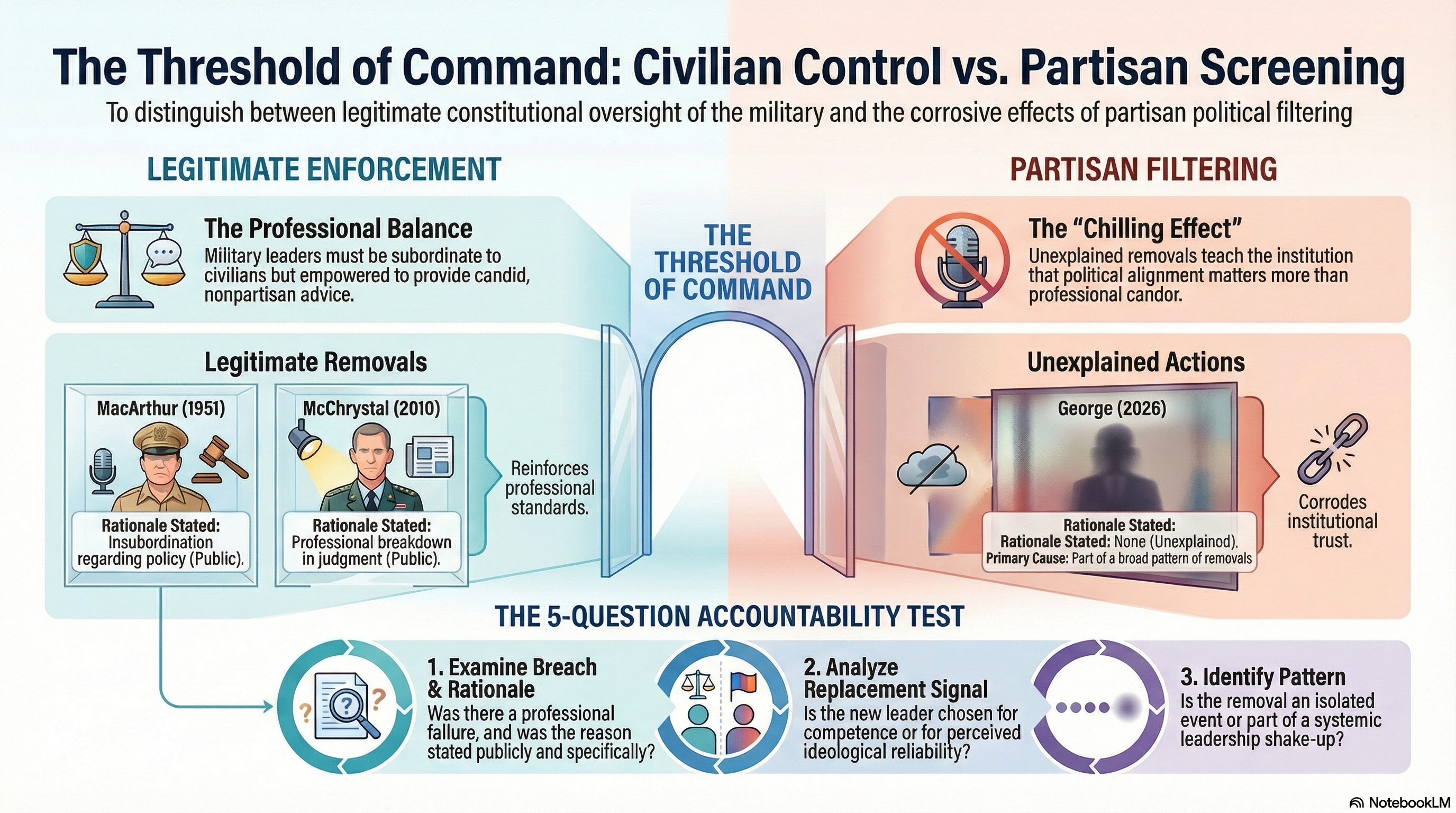
Congress often behaves less like a coequal branch and more like a late-stage commentary apparatus. Members posture, condemn, defend, reinterpret, or retroactively authorize after momentum already exists. Once military action begins, inertia becomes its own argument. Opposing escalation can be framed as weakness. Asking for legal clarity can be framed as naïveté. Demanding accountability can be framed as helping the enemy. This is how architecture protects itself. The institution that is supposed to restrain war becomes part of the process by which war is normalized.
And then there is the media layer.
Public understanding of war is filtered through compressed attention, executive framing, expert laundering, and emotional timing. News coverage often foregrounds tactical drama over systemic design. It shows the strike, the statement, the retaliation, the map, the speculation. What receives less sustained emphasis is the architecture that made the whole sequence predictable. Media can describe war’s events without clarifying war’s operating system. That distinction matters. One informs. The other explains.
Without explanation, the public is left reacting to episodes instead of understanding the machine.
This is why American war power survives failure so well. Not because every official is malicious. Not because every justification is fabricated. But because the structure is optimized for initiation and diffusion. Power to act is concentrated. Consequences are dispersed. Legal friction is weak. Political memory is short. Human cost is carried by people with the least ability to convert suffering into binding institutional consequence.
The architecture protects the powerful because it was not built around shared risk. It was built around managed exposure.
If that sounds harsh, good. It should.
A system that permits violence without direct democratic burden-sharing is not merely inefficient. It is morally dangerous. It trains a republic to speak as though it is collectively deciding while functionally allowing a narrow band of actors to act first and explain later.
A serious republic would reverse these incentives.
It would force clearer congressional ownership before sustained hostilities.
It would require public legal claims and evidentiary claims early, not after the machine is already moving.
It would make the projected human, financial, and strategic costs impossible to hide behind abstraction.
It would create oversight that operates in real time, not performatively after the fact.
It would treat war not as a flexible instrument of executive initiative, but as the gravest act a state can undertake.
Until then, the architecture will hold.
Different president. Same insulation.
Different conflict. Same drift.
Different rhetoric. Same bodies underneath it.
That is the architecture of American war. Not a single decision. Not a single party. Not a single failure.
A repeatable system that makes force easier for the people at the top and consequence heavier for everyone below.
Member discussion