
The Event Made Millions. He Left With $6,000.
A UFC fighter shows up to work.
He’s not on salary.
He’s not insured.
He’s not guaranteed another fight.
He gets paid $10,000 to step into a cage.
If he wins, he gets another $10,000.
Full case study (17 pages, sources + model + simulations) is attached below if you want the full breakdown.
Now subtract reality:
- $4,000–$8,000 training camp
- 10–20% manager cut
- Taxes
He walks away with maybe $2,000–$6,000.
That same event?
Generated millions.
And none of that upside touches him.
This is not a mistake.
This is the system.
THE PART EVERYONE GETS WRONG
Most people think:
“Fighters are underpaid because the sport is dangerous.”
That sounds reasonable.
It’s also completely wrong.
Because boxing exists.
Same risk.
Same injuries.
Same independent contractor setup.
But boxing headliners routinely take:
→ 60–70% of event revenue
UFC fighters?
→ ~15%
So what changed?
Not the danger.
Not the talent.
Not the business model.
The number of buyers.
THE REAL MECHANISM (NO FLUFF, JUST FORCE)
The UFC doesn’t just promote fights.
It controls access to the only stage that matters.
That gives it something extremely powerful:
Monopsony.
One dominant buyer of labor.
And then the contracts do the rest.
THE FIVE CLAUSES THAT REMOVE YOUR EXIT
Each one sounds reasonable on its own.
Together, they eliminate your leverage.
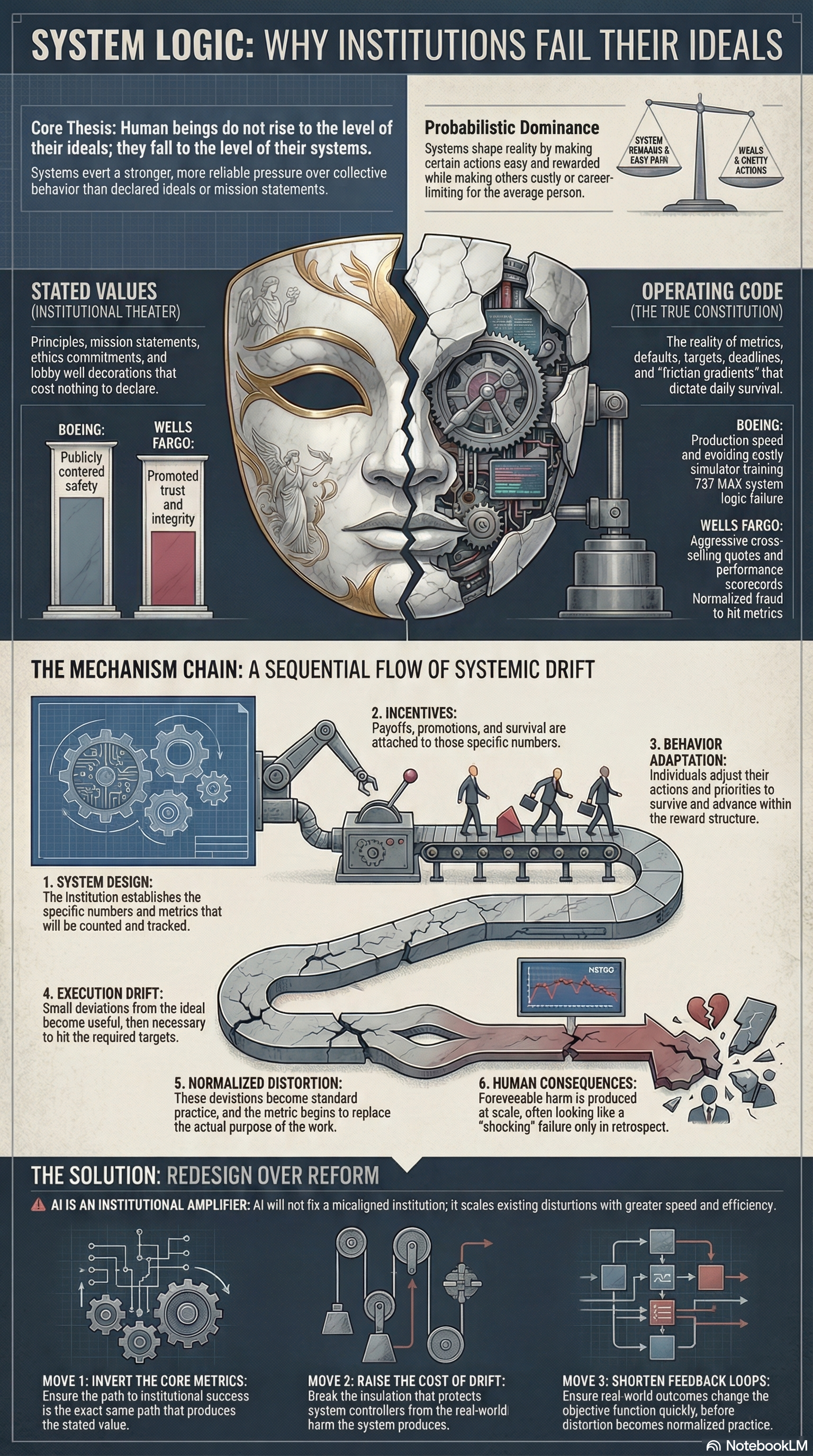
1. Exclusivity
You can’t fight anywhere else.
2. Champion Clause
Win the belt → your contract extends automatically.
3. Matching Rights
Find a better offer → UFC can match it and keep you.
4. Injury Tolling
Get hurt → your contract pauses, your career clock doesn’t.
5. Independent Contractor Status
No benefits. No safety net. No collective bargaining.
Stack these together and something happens:
You don’t have a real outside option anymore.
And when that disappears…
So does your negotiating power.
WHY PAY NEVER CATCHES UP TO REVENUE
Here’s the part most people miss.
Fighter pay is fixed before the event.
Revenue is realized after the event.
That means:
- Fighter compensation stays flat
- Event revenue scales
And all the upside goes one direction.
To the promotion.
THE NUMBER THAT EXPLAINS EVERYTHING
In labor economics, there’s a concept called:
labor supply elasticity
Translation:
How easily workers can walk away and get a better deal.
In competitive markets:
→ high elasticity
→ wages rise
In controlled markets:
→ low elasticity
→ wages stay suppressed
Using the Manning framework, UFC’s implied elasticity:
→ ~0.30
That’s extremely low.
Which means this outcome isn’t surprising.
It’s predictable.
The gap isn’t a bug.
It’s the feature.
THE $375M MOMENT THAT CHANGED NOTHING
In 2025, the UFC settled an antitrust lawsuit for:
→ $375 million
Sounds massive.
It was.
But here’s what didn’t happen:
- No contract changes
- No mobility reform
- No revenue share requirement
The system absorbed the pressure…
…and kept going exactly the same.
THE PART PEOPLE DON’T WANT TO SAY OUT LOUD
This isn’t about greed.
It’s about structure.
If you design a market where:
- one buyer dominates
- mobility is restricted
- costs are externalized
You don’t need to underpay people manually.
The system does it for you.
THE BOTTOM LINE
Fighters don’t get paid less because they’re worth less.
They get paid less because they can’t force competition.
Until that changes:
- they will fund their own camps
- absorb the damage
- and get paid a fixed amount
while the event scales around them.
The gap isn’t a bug.
It’s the feature.
CTA (THIS ONE ACTUALLY CONVERTS)
The full breakdown includes:
- the monopsony wage model
- elasticity calculations
- counterfactual payroll scenarios
- and a 5-phase reform framework that doesn’t kill promoter margins
It’s all here:
[Substack link]
Member discussion