
The System Is Not Failing. It Is Functioning as Structured.
.Most people look at moments like the current Iran conflict and ask a simple question:
Did the system fail?
Congress didn’t stop it.
The courts didn’t intervene.
The President acted first.
So the instinct is to call it a breakdown.
That instinct is wrong.
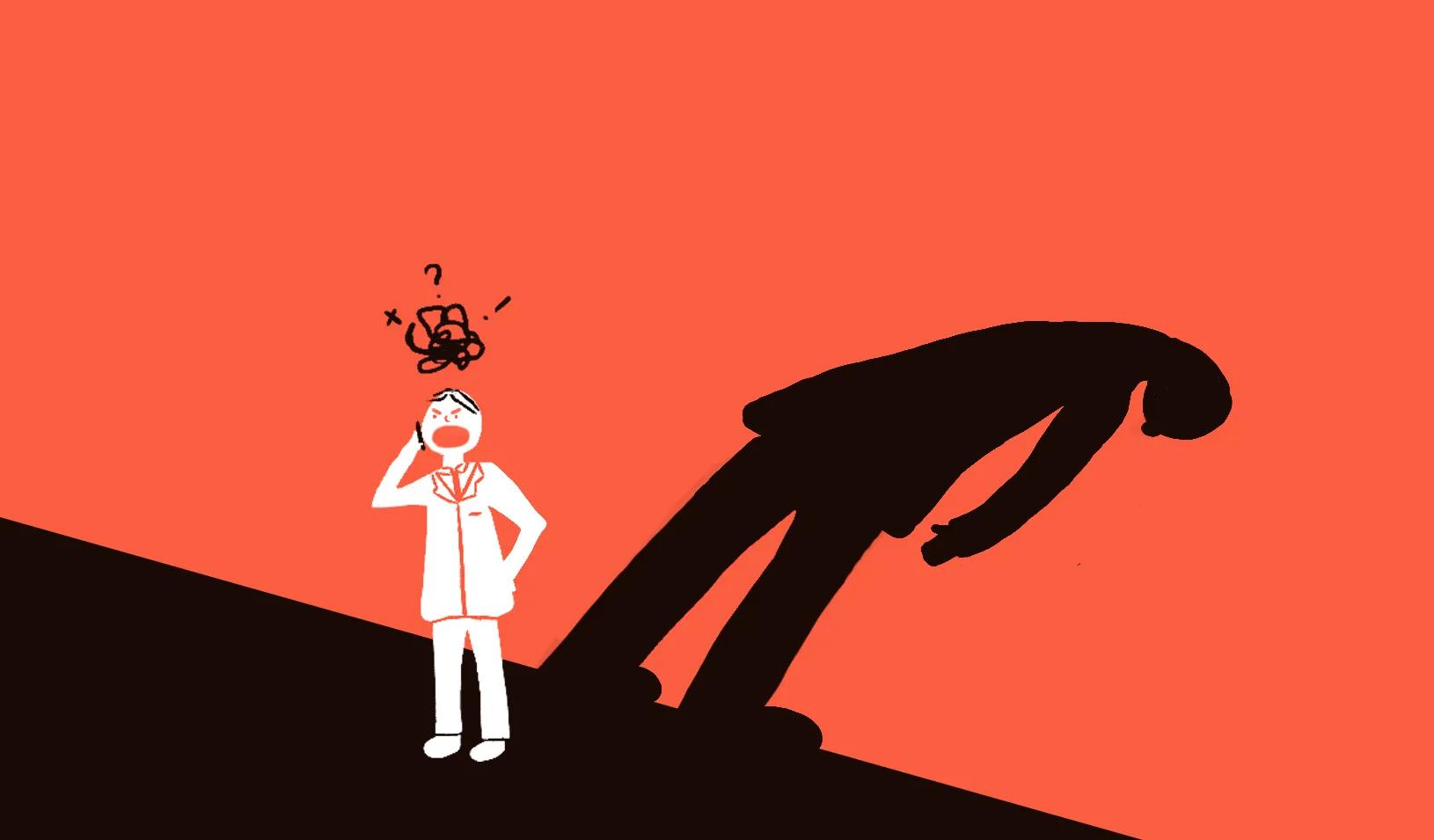
The system did not fail. It produced exactly what it is designed to produce.
The Story People Tell Themselves
The common narrative goes like this:
- The Constitution gives Congress the power to declare war
- The War Powers Resolution is supposed to enforce that
- If both aren’t working, something must have gone wrong
It sounds clean. It sounds logical.
It’s also not how the system actually behaves.
Because the real system isn’t just law.
It’s law + incentives + timing + political cost.
And once you include those variables, the outcome becomes predictable.
What Actually Happens
The pattern is so consistent it’s almost mechanical:
- The executive acts first
- Congress responds with statements, hearings, or non-binding votes
- Courts decline to intervene
- Operations continue
That’s not a glitch.
That’s the default sequence.
You can find it in:
- Korea
- Kosovo
- Libya
- Syria
- Soleimani
- And now Iran
Different presidents.
Different parties.
Same outcome.
At some point, repetition stops being coincidence.
The Part Everyone Tries to Avoid
Here’s the line most people don’t want to engage with:
No one is malfunctioning.
Not the President.
Not Congress.
Not the courts.
Each actor is behaving rationally within their incentives.
- The executive moves first because it can act faster than Congress can respond
- Congress avoids binding decisions because both authorizing and stopping a war carry political risk
- Courts stay out because doctrine gives them a way to avoid owning the outcome
You don’t need bad actors to get this result.
You just need a system where:
- action is easy
- enforcement is costly
- and accountability is diffuse
Why This Keeps Escalating
The real danger isn’t any single conflict.
It’s what each conflict leaves behind.
Every time this cycle repeats:
- the executive’s operating space expands
- Congress becomes more accustomed to non-enforcement
- the legal justifications get broader
- the political cost of acting decreases
That’s how you get what looks like drift but is actually accumulation.
A slow, one-directional shift in how power is used.
Not through one dramatic decision.
Through dozens of smaller ones that never get reversed.
The Accountability Problem No One Owns
Here’s the quiet outcome of this structure:
- The President controls the operation
- Congress records objection
- Neither side fully owns the result
If things go well, everyone takes credit.
If things go badly, responsibility fragments.
That’s not confusion.
That’s a system distributing risk in a way that makes accountability optional.
Why Reform Conversations Go Nowhere
Most reform ideas fail for a simple reason:
They assume people will act against their incentives.
They rely on:
- Congress suddenly prioritizing institutional power over reelection
- Presidents voluntarily limiting their own authority
- Courts choosing to step into political conflicts they’ve avoided for decades
That’s not reform.
That’s wishful thinking.
Real reform would have to change the defaults, not the expectations.
Because defaults determine outcomes when no one acts.
The Only Frame That Holds
If you take one thing from this, make it this:
Stop asking whether the system failed.
Start asking:
What outcome is this system designed to produce?
Because once you see the pattern, you can’t unsee it.
You start noticing it everywhere:
- in institutions that never enforce their own rules
- in organizations where responsibility is always shared and never owned
- in systems that reward action but punish accountability
The war powers debate just makes it visible.
Final Line
People want to believe these moments are exceptions.
They’re not.
They’re demonstrations.
The system is not failing.
It is functioning as structured.
Member discussion