The System Is the Story, Part II
People keep telling themselves the wrong kind of story.
They see repeated failure and assume one of three things. Either somebody behind the scenes is secretly controlling everything, or the people in charge are uniquely incompetent, or the whole mess is just a string of tragic mistakes. Those explanations are emotionally satisfying because they preserve a fantasy that the underlying structure is basically sound.
But once the same outcomes keep appearing, that fantasy gets harder to defend.
The system is the story.
Not the backdrop.
Not the stage.
Not the scenery around the real actors.
The system is the thing generating the behavior.
That is the real shift here. The official story says events are messy, context is complicated, intentions were mixed, and outcomes are unfortunate. The system’s logic says something much simpler: the machine is built in a way that makes harmful motion easier than meaningful restraint.
That is why the repetition matters.
A one-off disaster can be explained by bad judgment. A recurring pattern points somewhere else. It points to a structure that keeps producing the same logic across people, titles, and moments. And once that becomes clear, the question is no longer who failed once. The question becomes what the machine rewards every time.
The answer is not flattering.
Initiation is cheap.
It is easy for leaders and institutions to start things. Start conflicts. Start policies. Start escalations. Start narratives. Start machinery that other people will have to live under or die under. The opening move is often politically, professionally, or bureaucratically inexpensive compared to what comes later. Action creates the appearance of decisiveness. Starting looks strong.
Then comes the part the public rarely understands clearly.
Restraint is expensive.
Stopping is not treated as neutral. It is often treated as weakness. Reversal threatens reputation. Pause threatens authority. Correction threatens the image of competence. The system punishes interruption because interruption introduces friction, admits error, and exposes the logic that carried everything forward in the first place.
So the machine keeps going.
Then blame gets diffused.
No single person owns enough of the outcome to absorb full consequence. Bureaucracy spreads responsibility across offices, procedures, timing, committees, advisors, legal language, and layers of authority. Everyone participated, so nobody fully pays. That is one of the oldest tricks in organized power. When responsibility is scattered widely enough, accountability becomes thin enough to survive.
Then the machine moves on.
That may be the coldest part of all. The structure values continuity. It values ongoing function. It values procedural motion. It values maintaining legitimacy more than absorbing moral reality. Human consequence becomes part of the cost field while the system protects its own rhythm. The public is left staring at the wreckage while the institution updates its language and proceeds to the next cycle.
That is not just failure.
That is design logic.
This is where obedience becomes central. Not obedience in the childish sense of one villain giving orders to robotic followers. System obedience is more sophisticated than that. It happens when courage is punished and alignment with institutional logic is rewarded. People learn what keeps them safe. They learn what gets promoted. They learn which truths create invoices. Over time, they stop acting like leaders and start acting like successful components.
That is how leadership gets replaced by role performance.
A title remains.
A podium remains.
A chain of command remains.
But actual leadership disappears.
Instead of moral judgment, you get script adherence. Instead of responsibility, you get managed positioning. Instead of interruption, you get continuation with better language. The office still exists, but the human being inside it is increasingly optimized for system compatibility, not principled action.
That is why so many people end up reaching for conspiracy as an explanation. They can feel the pattern. They can see the consistency. They can sense that outcomes are too regular to be random. And because they are not being given a structural explanation, they imagine a hidden circle of masterminds instead.
Sometimes hidden coordination exists. Human beings are ambitious little goblins and do love secret arrangements. But the deeper point here is that you do not need a secret room to get repeated corruption of outcome. You only need a structure whose incentives already line up in the same direction.
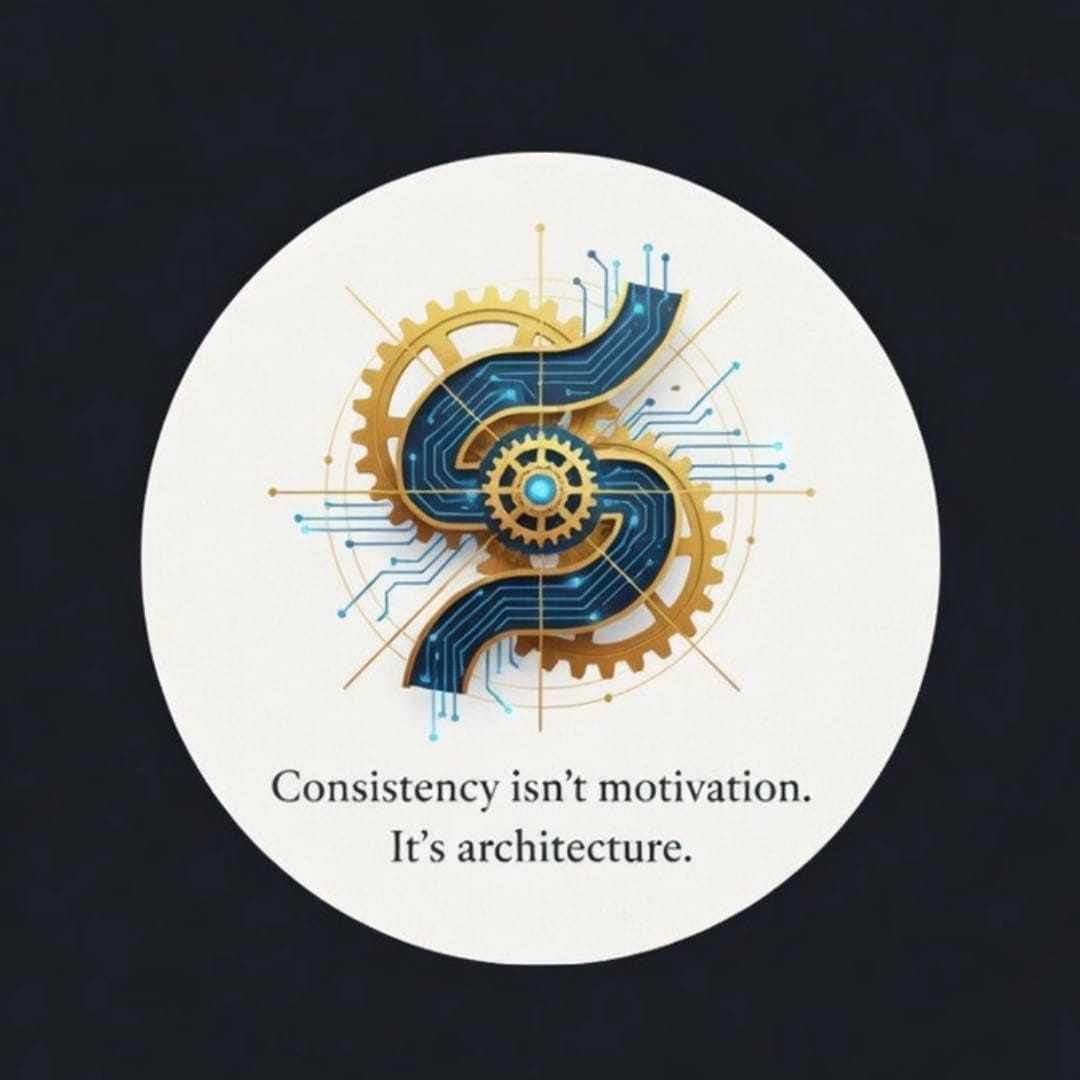
That is what the final contrast exposes. Stop staring only at the handshake in the shadows. Study the visible eye. Study the gears. Study the machinery operating in plain sight.
Because systems do not need to be invisible to be misunderstood.
They only need the public to keep mistaking structural logic for isolated drama.
Once you see the machine clearly, a lot of confusion disappears. You stop asking why the same type of failure keeps happening as if history were cursed. You stop obsessing over whether one more better individual can save an unchanged structure. You stop treating repetition like coincidence.
And you start asking the real questions.
What is easy to start?
What is hard to stop?
Who gets rewarded for obedience?
Who gets punished for courage?
How is blame distributed?
What keeps moving after the damage is obvious?
That is where the story actually lives.
Not in the press release.
Not in the official explanation.
Not in the polished role performance.
In the machine.
Hashtags
#TheSystemIsTheStory #SystemsThinking #InstitutionalFailure #SystemDesign #Leadership #Accountability #Governance #Incentives #Bureaucracy #Power #PublicTrust #MoralClarity #RolePerformance #StructuralFailure #HumanConsequences
Member discussion